

How to Adjust UPVC Door Hinges
uPVC doors are built to be long-lasting, but with age and use they may require some attention and adjustments. This is an easy task that can be completed with the use of a few basic tools.
The first step is to determine what kind of hinges your door comes with. Typically a flag hinge will allow you to make adjustments vertically and laterally but a hinge with a T or butt may only allow lateral adjustments.
Identifying the Hinges
Hinges are crucial for connecting windows and doors to their frames, however they can also cause problems. Fortunately, most of these problems are fixed by changing the hinges. However, first, you have to know which type of hinge your window or door has. This is crucial because it will help you determine the best method to adjust your hinges in accordance with the style of the window or door.
UPVC hinges are available in various styles, and each has its own advantages and drawbacks. The kind of hinge you require will be determined by the specifications of your frame or door and the style. The type of hinge you use will also determine how it is easy to open and shut your door or window. Here are the major kinds of uPVC hinges:
Flag hinges are flat hinge leaves that have holes where screws can be attached. A hinge pin is then put through the knuckles. They are a typical type of hinge used in uPVC doors. They can be easily adjusted laterally and vertically.
The recessed portion of eurogroove or rebated hinges fit snugly into the door frame. They can blend in better with the frame creating a seamless look. They are the most sought-after type of hinge used for uPVC doors, and they can be easily adjusted in all three dimensions.
Ball-bearing Butt hinges are a excellent option for uPVC doors that are subject to high levels of use. These hinges have ball bearings in the middle that ensures smooth operation. They can be adjusted lateraly and vertically.
Spring butt hinges are also a good choice for uPVC doors since they can be adjusted in all three dimensions, and they also come with spring mechanisms that allow for smooth opening and closing. This type of hinge can be able to withstand a lot of strain and is extremely robust.
It is crucial to take all precautions for safety when installing a set of UPVC UPVC hinges. Wearing protective gear, using the appropriate drill attachments and handling tools correctly are all essential to this. By following these guidelines you will be able to avoid any injuries that could be caused during the process of installation.
Identifying the problem
There are a number of reasons why your uPVC doors might not be closing properly. It could be that the hinges are misaligned or bent, for instance or it could be an issue with the locking mechanism. These issues can cause leaks and draughts, therefore it's crucial to address the issue promptly. If you don't get your act together the damage will get worse and your door will become difficult to open or close.
The most frequent reason for the uPVC not closing is a wrongly adjusted hinges. This can be a problem but it's fairly easy to solve. The first step is to identify the issue, then determining what's causing the problem.
You can start solving the problem once you've identified the issue. There are two primary types of uPVC hinges that are flag hinges and butt hinges. A flag hinge consists of two parts. One part attaches to the door sash, while the other is attached to the frame of the door or an adjacent structure. The hinge parts are connected to each other by a rod or pin that acts as the hinge's axis. The hinges and sash are visible on the inside of the doors but they are hidden when the door is closed to provide a clean and smooth appearance.
A butt hinge looks like a standard flag hinge but is mounted on the back of the sash. It doesn't stretch much as far as the flag hinge. The butt hinge can also be hidden when the door closes to give it a sleek and sleek look.
To adjust a hinge, locate the adjuster and turn it counterclockwise or clockwise using an allen key until you get to the desired position. Be careful not to adjust the hinge, as this could cause the door to be difficult to open and close.
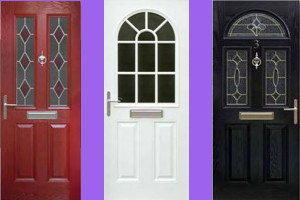
Another issue that can be found is that the lock doesn't lift enough to allow the door to be locked. upvc door hinges repair can be due to an issue with either the handle or euro lock, however it's more likely caused by misaligned or worn hinges. It's a simple fix but you should allow a professional to handle it to make sure that the job is done properly.
Finding the solution
It is normal for uPVC windows and doors to loosen their hinges because of constant use and being closed or opened. This could cause them to become noisy or difficult to open. Fortunately, it's not difficult to make minor adjustments to keep them working correctly.
The first step is to determine the type of hinge your uPVC door is fitted with. There are three major types; Butt hinges (sometimes called a pencil or cylinder hinge) flag hinges, rebate hinges and flag hinges. You can determine this by looking at the hinges on the outside of the door. You'll notice that the bottom and top edges have a gap. These are where the hinges are fitted. On the hinge plate, you'll also see the screw holes. You can alter the height (up and down) of the hinge using these slots.
A butt hinge consists of two parts one of which is fixed to the frame, and the other connected to the door's profile sash. These are connected via a rod or pin that acts as the hinge's axis. The hinges of the flag are hidden behind the door and between the frame and the door when the door is closed, ensuring an attractive appearance.
Another type of uPVC hinge for doors is a flag hinge, which resembles a traditional timber hinge for doors. They are located on the outside edge of the door and have a more pleasing appearance than the butt-hinges. They also offer more flexibility since they can be positioned in both directions, vertically and laterally.
Finally, you can find rebate uPVC hinges on doors that are older but they are becoming less common in recent years. The rebate uPVC is similar to the flag hinges, however it can be adjusted laterally and in compression.
Check that your door is at the right level before making any adjustments. To do this, simply put a level on the top of your door and look for any gaps between it and the frame. If there is an opening at the top or bottom of the door, then this indicates that the door is out of alignment and needs to be adjusted.
Making the Adjustment
As time passes, the constant use a uPVC door can become loose in the hinges. This can cause it to drop or even become misaligned within the frame. This can be easily corrected by following a few simple steps. To do so, first make use of a tape measure and check the gap between the frame and door at the top, middle and bottom. If the gaps differ, this means that the hinges need adjusting.
Find out the kind of hinges on your uPVC doors before you begin. There are three common types that include flag hinges, T hinges, and rebate hinges. The adjustment method varies slightly according to the type. Flag hinges, which are typically found on modern uPVC doors, are rectangularly shaped and are named for the fact that they resemble a flag. They offer the greatest control when it comes to adjusting the uPVC, allowing you to move them side-to-side, vertically, or close them closer to a jamb for your door. T hinges function similarly to flag hinges, however the part attached to the door is located in the middle of the hinge. These hinges can be adjusted laterally and vertically but not as tightly.
Next you will need to use the Allen key to loosen the screw or the grub screws that regulate each hinge. It may be necessary to loosen the screws on the top and bottom to make a vertical adjustment. For lateral side-to-side adjustments, you'll only require the screw on the door side of the hinge.
After you've made the required adjustments, test your uPVC door to see if it's properly aligned with the frame. If not, you'll have to adjust the hinges further or replace them entirely.
Keep in mind that if had your door poorly aligned over the course of time, it could indicate that the hinges need to be replaced. This is a relatively straightforward process that is covered by the guarantee or warranty of the installer.